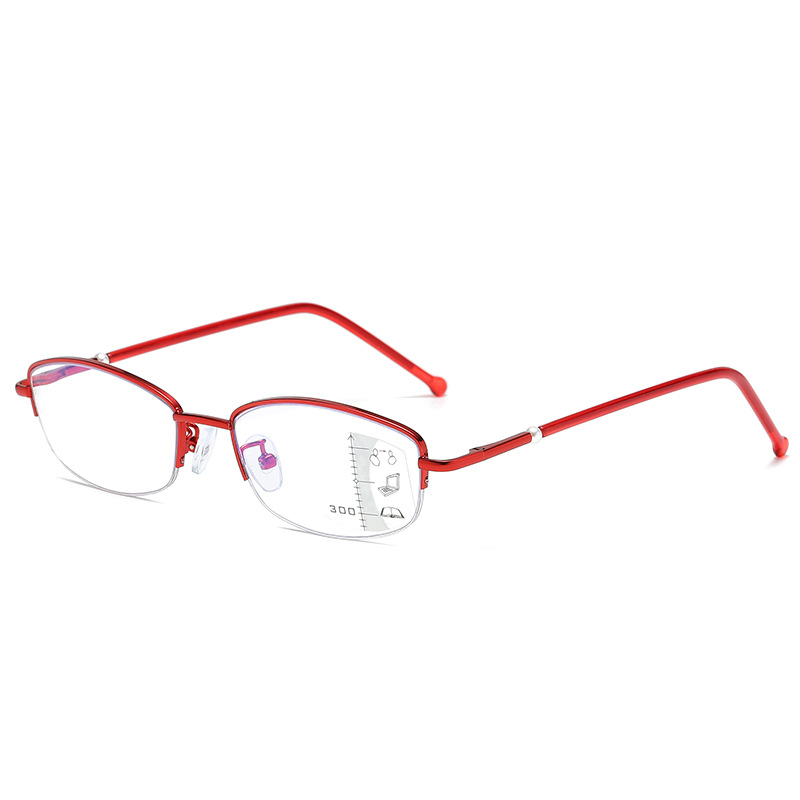
Let's talk numbers. Before I finally discovered a pair that actually worked, I'd spent at least $200 on subpar bifocal reader sunglasses. That doesn't even account for the countless hours lost to returns, blurry vision, and headaches. I was trapped in a cycle of buying cheap glasses, watching them break, and then making the same mistake all over again.
Each purchase began with a flicker of hope, only to end in disappointment. The lenses were often distorted, leaving me dizzy. The frames felt flimsy and would snap within weeks. One pair even had the bifocal line positioned incorrectly, making clear vision impossible. It was a constant source of aggravation. All I wanted was to read a book outside and then glance up to see my surroundings without switching glasses. It didn't seem like too much to ask.
This cycle of regret taught me some tough lessons about shopping online. I learned that a low price tag often conceals a much higher long-term cost. My journey from frustration to satisfaction is a story of three major regrets and one tremendous relief.
My most significant error was believing "cheaper is better." I'd spot a pair of bifocal reader sunglasses for $15 and think I'd found a bargain. But that so-called deal would arrive feeling like a toy from a cereal box. The plastic was brittle, the hinges were weak, and the lenses scratched if you so much as looked at them wrong. One pair lasted precisely two weeks before an arm snapped off while I was cleaning them.
So, I’d buy another cheap pair. And then another. Those $15 purchases added up fast. I was essentially throwing money away on products designed to fail. It's a trap many of us fall into. We see a low price and forget to consider the quality.
Even worse than the product was the complete lack of support. When I tried to return a defective pair, the company had no customer service phone number—only an email that never received a reply. It felt like they took my money and vanished. It reminded me of a user review I saw that stated, "No customer Service 24 hours, no agent. Unprofessional." That was my exact experience. I was stuck with a broken product and no recourse for a refund.
Verdict: Don't be fooled by a cheap price tag. A $50 pair that lasts for years is a far better investment than four $15 pairs that break within a month. Quality saves you money in the long run.
I once got sucked in by a flashy "Buy One, Get One Free" promotion. The website was plastered with stunning photos and promises of "crystal clear vision" and "unbreakable frames." I thought I'd finally found the answer. But the problems began immediately.
The website itself was full of glitches. The BOGO offer didn't apply correctly at checkout, but I was so exhausted from searching that I bought them anyway, hoping customer service could sort it out. That was another error. When I contacted them, their only solution was for me to return the glasses and re-order, hoping the glitch was fixed. As another frustrated buyer noted, their "simple solution" of issuing a credit was apparently "too easy" for them.
The glasses that arrived were a joke. The frames were anything but "unbreakable"—they bent when I tried to adjust them. The "crystal clear" lenses had a strange warp at the edge of the bifocal line. The advertising was a total fabrication. The company had invested all its resources into marketing and none into creating a decent product or supporting its customers. They promised a premium experience but delivered a nightmare.
Action Step: Be wary of grand promises. If a company spends more time hyping promotions than detailing product features, consider it a red flag. Look for businesses that take pride in their materials and craftsmanship, not just their discounts.
In hindsight, every one of my bad purchases could have been avoided with just ten more minutes of research. I was so fixated on the price and the attractive pictures that I didn't look deeper. I’d skim the 5-star ratings at the top of the page and ignore the critical reviews buried at the bottom.
I never searched for real user photos. I never looked for reviews outside the company’s own website. I simply trusted the marketing. This laziness cost me time, money, and immense frustration. Had I done proper research, I would have seen the complaints about flimsy frames. I would have read the stories about terrible customer service. I would have known that the "deals" were just a tactic to offload a low-quality product.
Thorough research is your best defense against inferior products. It involves a few straightforward steps: