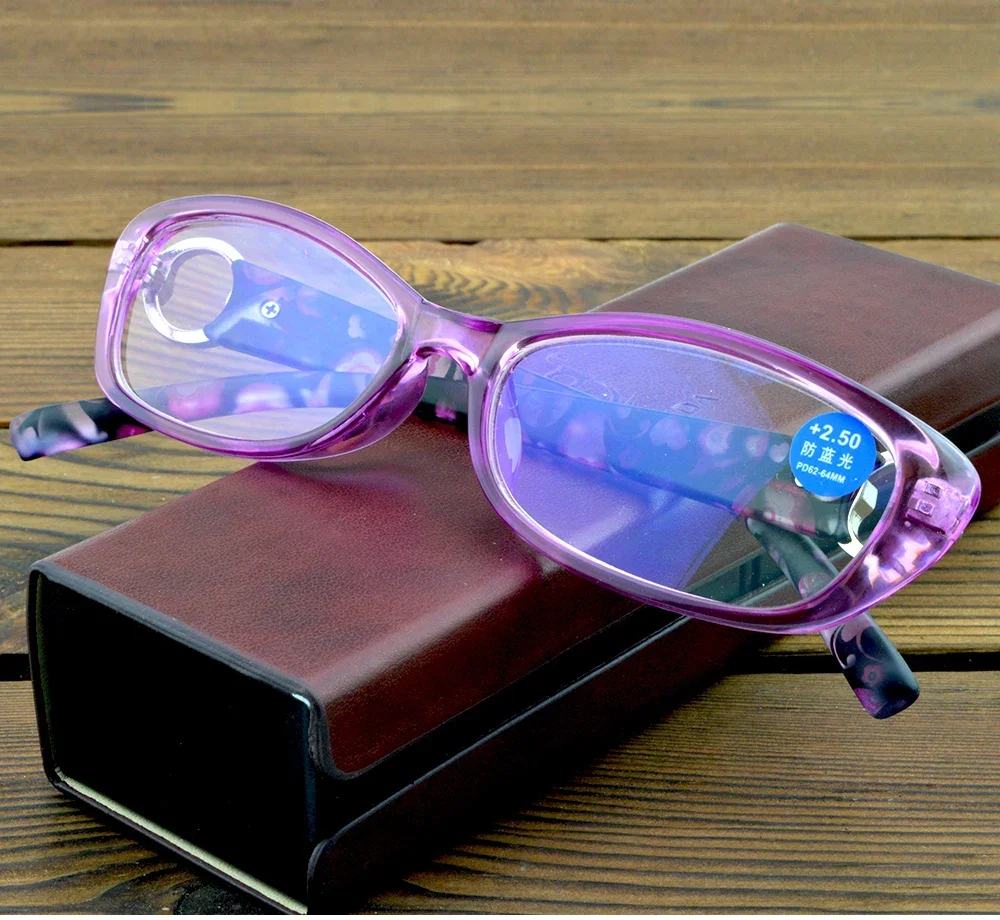
I once believed the same common myths about progressive bifocal reading glasses that many people do. It's easy to assume they're all identical or that a low price automatically means a great value. Let me set the record straight. Here's what companies often don't tell you when you're trying to choose the right pair.
Purchasing progressive bifocal reading glasses should be straightforward, but finding lasting quality and reliable performance isn't always simple. You deserve clear vision, comfortable frames, and a positive overall experience. Don't get caught by these frequent pitfalls.
Many shoppers assume that if the prescription numbers are correct, any pair of progressive bifocals will deliver perfect clarity. They think all lenses are manufactured to a universal standard. This is a significant misconception.
Here's what they don't tell you: One customer learned this through a disappointing experience, stating, "The lens and service was fine, but does not focus, like in the Dr's office when being examined." This highlights that even with adequate service, the primary function of the glasses—providing sharp focus—can fall short. You need lenses crafted with precision, not generic, mass-produced ones.
The Truth: Lens quality is paramount for progressive bifocal reading glasses. A high-quality pair utilizes advanced optical technology, ensuring a seamless blend between different viewing zones. You should experience clear vision at all distances: far away, up close, and everything in between. Cheap or poorly made lenses often result in blurry areas, leading to eye strain and headaches.
Verdict: Always verify if the lenses are high-definition or digitally surfaced. Prioritize brands with a reputation for superior lens craftsmanship. Never judge quality by price alone.
It's tempting to believe an "added warranty" guarantees complete protection if your glasses break, covering everything with no extra charges. This sense of security can make an online purchase feel risk-free, but the reality is often different.
Here's what they don't tell you: A frustrated buyer shared their story: "I've ordered glasses with added warranty and needed a replacement due to the frame breaking... plus a 30 deductible for the replacement." They expected the warranty to mean a free repair or replacement, but instead faced an additional fee just to use the coverage. This increases your total cost and diminishes the warranty's value.
The Truth: Many warranties include a deductible—a fee you must pay for each replacement claim. Some also have limitations on coverage or the number of times you can use the warranty. Always read the fine print before purchasing any extended protection to understand the true cost of potential replacements.
Verdict: Scrutinize warranty terms carefully. Look for details on deductibles, service fees, or replacement limits. Don't hesitate to ask questions if anything is unclear.
When you see a stylish frame, it's natural to assume it's built to last. You might select a design you love, confident it will withstand daily wear. Many equate a higher price with better quality, but even costly frames can be disappointing, particularly when replacements are involved.
Here's what they don't tell you: One user's experience illustrates this perfectly: "I've needed a lens replacement they tell me my choice of frame is out of stock and will therefore be receiving a store credit plus a small % which doesn't make sense then how do I end up with a cheaper and lighter pair than the previous?" This issue isn't just about durability; it's about the replacement process itself. The inability to provide an equivalent product meant the customer received an inferior item for their money.
The Truth: Frame materials vary significantly. Some are made from robust, flexible materials like TR90, which resists breaking. Others use cheaper plastics or metals that can bend or snap easily. While quality progressive glasses should feature durable frames, inventory issues can occur. A reputable company's replacement policy should offer an option of equal or greater value, not a downgrade.
Verdict: Research frame materials; TR90 is known for flexibility and strength. Read reviews about long-term durability. Always clarify the replacement policy before buying, specifically asking what happens if your chosen frame is unavailable.