As a card-carrying member of GenX, I've recently crossed that threshold where reading glasses became less of a novelty and more of a necessity. Like many of us hitting our mid-40s, my near vision started to blur. The hunt for the perfect eyewear solution began, and I quickly found myself deep in the world of progressive lenses. It’s been a journey of trial and error, but I'm finally seeing (pun intended!) the light at the end of the tunnel.
It started subtly. Squinting at menus in dimly lit restaurants, holding my phone at arm's length to read articles. Then came the dreaded moment when I realized I needed help with close-up work, especially on the computer. I considered just grabbing some cheap readers from the drugstore, but the idea of constantly switching glasses for different tasks – reading, computer work, and driving – seemed impractical. That's when I started exploring progressive lenses. I wanted a single pair of glasses that could handle everything.
I took the plunge and got my first pair of progressive lenses. The initial experience was, well, interesting. It felt like I was navigating a funhouse mirror at times. There was definitely an adjustment period. I remember feeling like I had to consciously move my head to find the "sweet spot" in the lens where things were clear. It was a bit disorienting, especially when walking down stairs. I almost regretted not just going with separate pairs of reading glasses, computer glasses, and sunglasses!
I even briefly considered going old school with lined bifocals. I thought, "Hey, if they worked for my grandpa, maybe they'll work for me!" But the thought of that visible line across my lenses just didn't appeal to me aesthetically. I wanted something more discreet.
After some research and conversations with my optometrist, I realized that not all progressive lenses are created equal. The quality of the lenses, the accuracy of the prescription, and the fit of the frames all play a crucial role in the overall experience. I also learned that some people are simply more sensitive to the distortion that can occur in the periphery of progressive lenses.
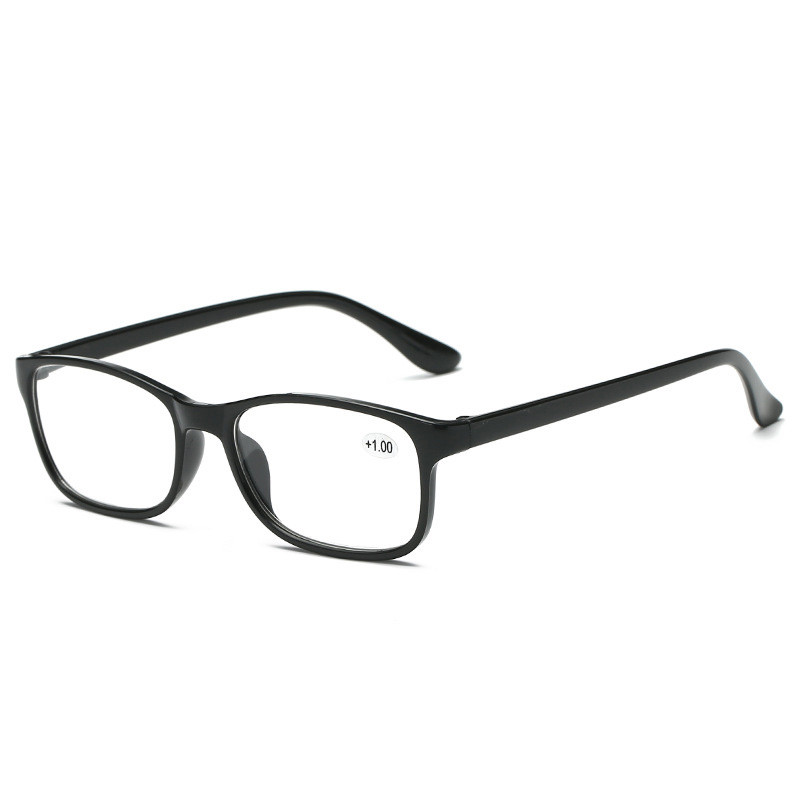
During my research, I stumbled upon a brand called Mozaer Official. I liked their philosophy of blending classic designs with modern lens technology. Looking for reading glasses, I found the Zilead Classical TR90 Resin HD Reading Glasses. I was drawn to the lightweight TR90 frame and the promise of high-definition clarity. I decided to give them a try for reading and close-up work.
The Zilead glasses were a game-changer. The clarity was exceptional, and the lightweight frame made them incredibly comfortable to wear for extended periods. I was particularly impressed with how little distortion I experienced, even when looking off to the sides. They are a great option if you need reading glasses for presbyopia, and are available from +1.0 to +4.0.
I still use my progressive lenses for most activities, but the Zilead glasses have become my go-to for reading and computer work. They provide a level of comfort and clarity that my progressives just can't match in those specific situations. It's like having the best of both worlds!
Based on my experiences, here are a few tips that might help you navigate the world of progressive lenses: